

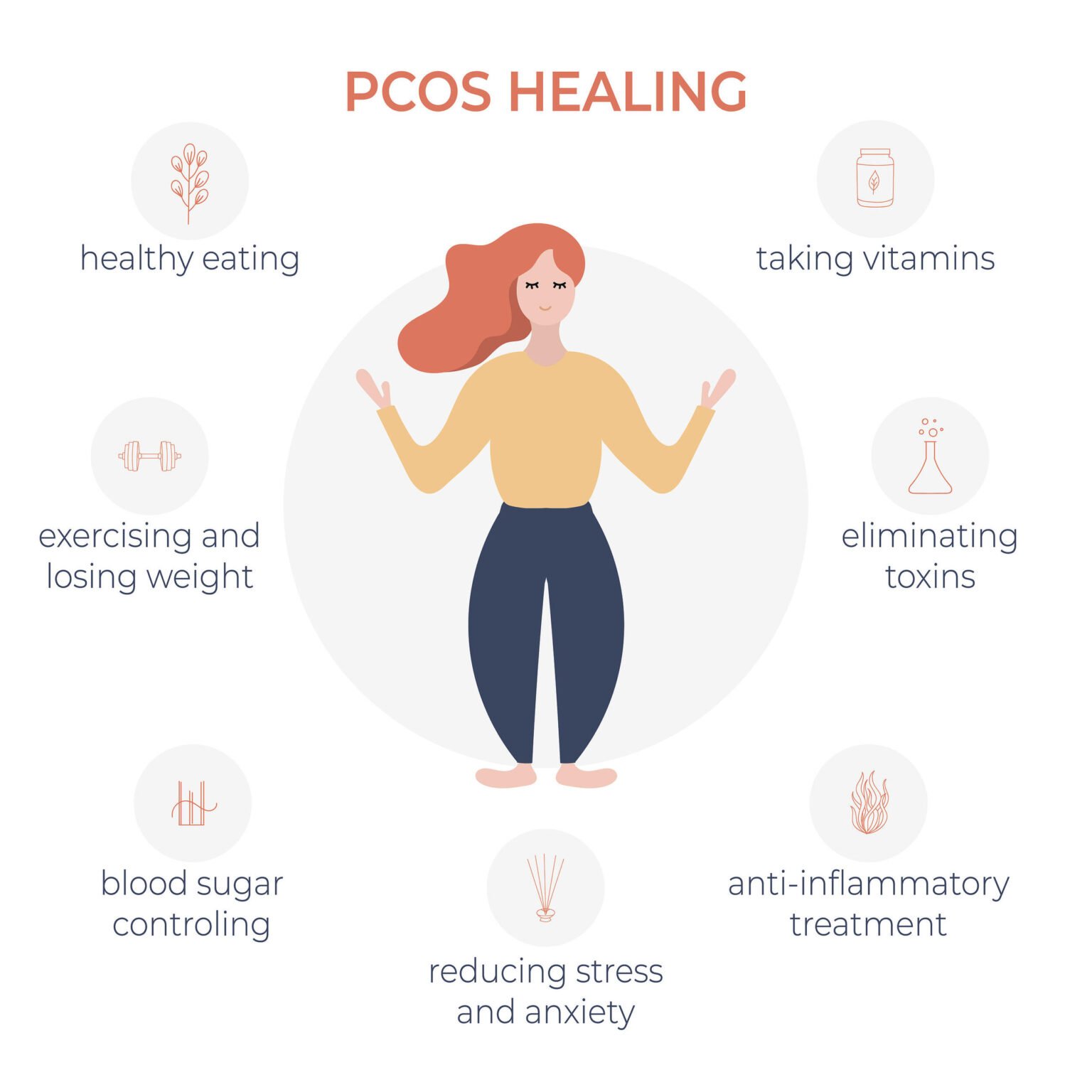

Polycystic Ovary Syndrome (PCOS) is a common hormonal disorder in women that can lead to a variety of health problems, including weight gain, infertility, and irregular menstrual cycles. While there is no cure for PCOS, making changes to your diet and lifestyle can help manage symptoms and improve overall health.
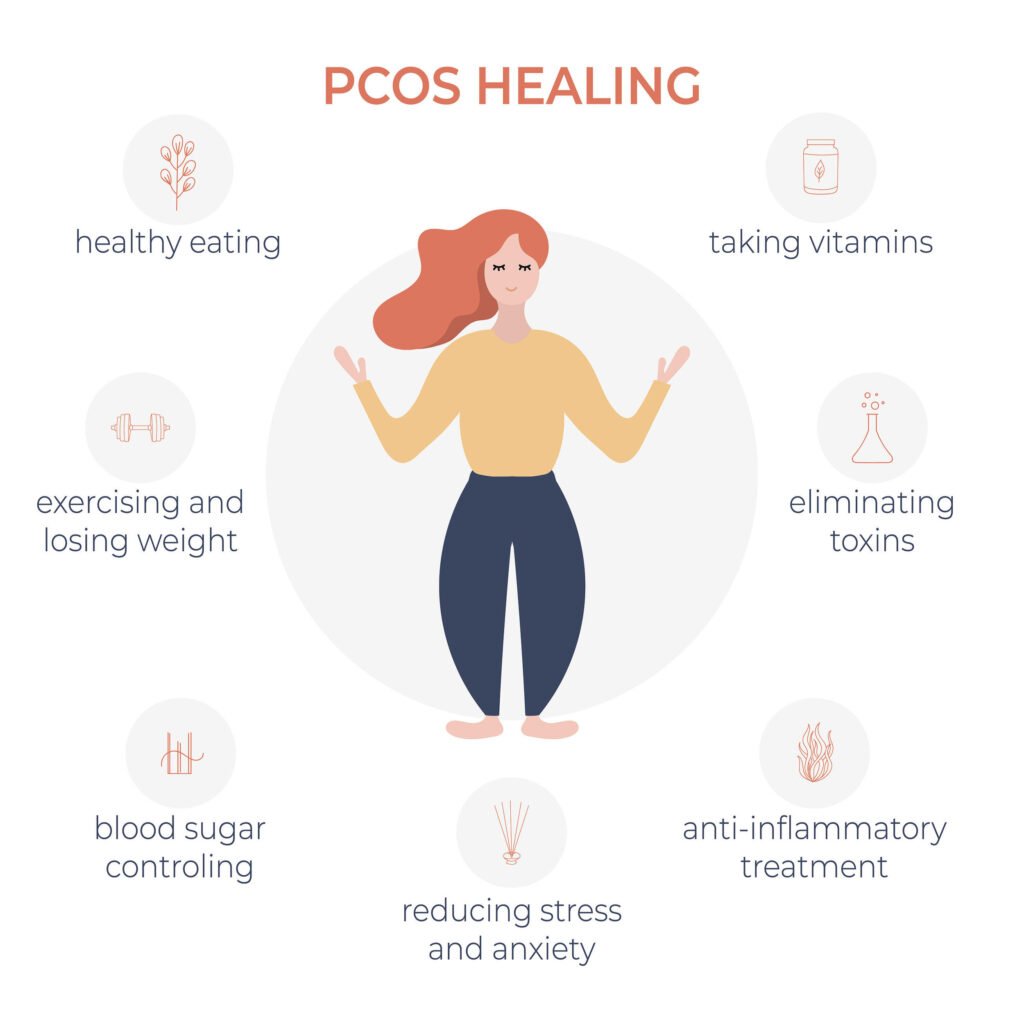
Here are some tips for healthy cooking to cure PCOS in women:
Diet and lifestyle changes are often recommended to manage the symptoms of PCOS, and healthy cooking is an essential part of this approach.
Choose low-glycemic index foods – PCOS is often associated with insulin resistance, which can cause high blood sugar levels. Choosing low-glycemic index foods, such as whole grains, fruits, and vegetables, can help regulate blood sugar levels and improve insulin sensitivity.
Increase your protein intake – Protein can help keep you feeling full and satisfied, which can aid in weight loss and management. Choose lean proteins such as chicken, fish, and tofu.
Incorporate healthy fats – Healthy fats, such as those found in avocado, nuts, and olive oil, can help regulate hormone levels and reduce inflammation.
Avoid processed foods – Processed foods are often high in added sugars and unhealthy fats, which can exacerbate PCOS symptoms. Instead, choose whole, nutrient-dense foods that will nourish your body.
Cook with anti-inflammatory spices – Certain spices, such as turmeric and ginger, have anti-inflammatory properties that can help reduce inflammation in the body and alleviate PCOS symptoms.
Experiment with plant-based meals – Plant-based meals, such as salads and stir-fries, are a great way to incorporate a variety of nutrient-dense foods into your diet. Additionally, plant-based meals can be a good source of fiber, which can help regulate blood sugar levels.
What is polycystic ovary syndrome (PCOS)?
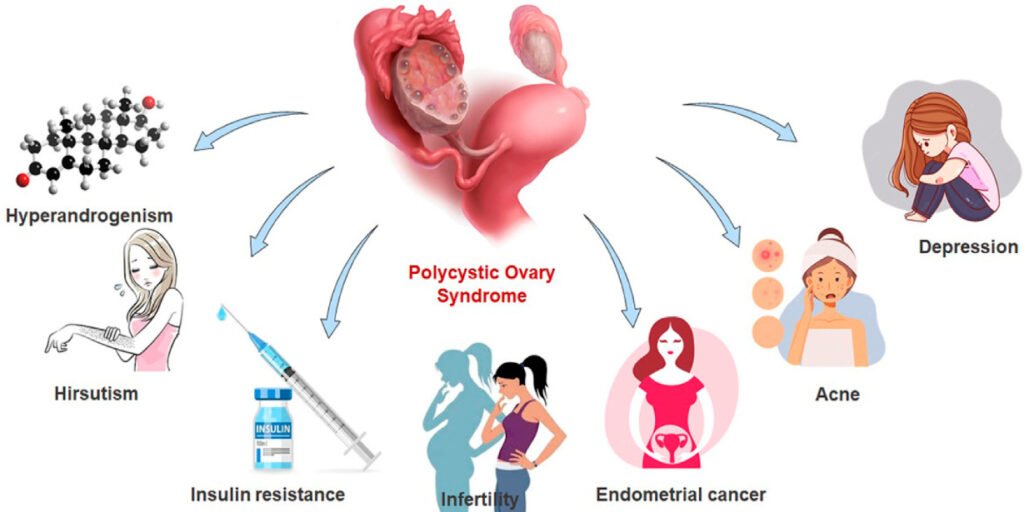
A common health issue caused by a hormonal imbalance in the reproductive system. The ovaries are affected by the hormonal imbalance. The ovaries are responsible for producing the egg that is released each month as part of a normal menstrual cycle. With PCOS, the egg may not develop properly or may not be released properly during ovulation. PCOS can result in missed or irregular menstrual cycles. Irregular periods can result in:
- Infertility (inability to get pregnant) (inability to get pregnant). In fact, PCOS is one of the most common causes of female infertility.
- Cyst formation in the ovaries (small fluid-filled sacs)
Who is effected with PCOS?
PCOS affects between 5% and 10% of women aged 15 to 44, or during the years when they can have children. Most women discover they have PCOS in their twenties and thirties, when they have difficulty getting pregnant and visit their doctor. However, PCOS can occur at any age after puberty. PCOS can affect women of all races and ethnicities. Obesity and having a mother, sister, or aunt with PCOS may increase your risk of developing the condition.
What are the signs and symptoms of PCOS?
PCOS symptoms include the following:
Menstrual cycle irregularity. Women with PCOS may experience missed periods or have fewer periods (fewer than eight in a year). Alternatively, their periods may occur every 21 days or more frequently. Some PCOS women experience a cessation of menstruation.
Excessive hair on the face, chin, or other areas of the body where men normally have hair. This is known as “hirsutism.” Hirsutism affects up to 70% of PCOS women. 3
Face, chest, and upper back acne
Male-pattern baldness is characterized by thinning hair or hair loss on the scalp.
Gaining weight or having difficulty losing weight
Skin discoloration, particularly along neck creases, in the groyne, and beneath the breasts
Skin tags are small excess flaps of skin in the armpits or underarms.
With nano changes in the diet and proper sleep pattern Pcod’s could be manageable